
ag glass
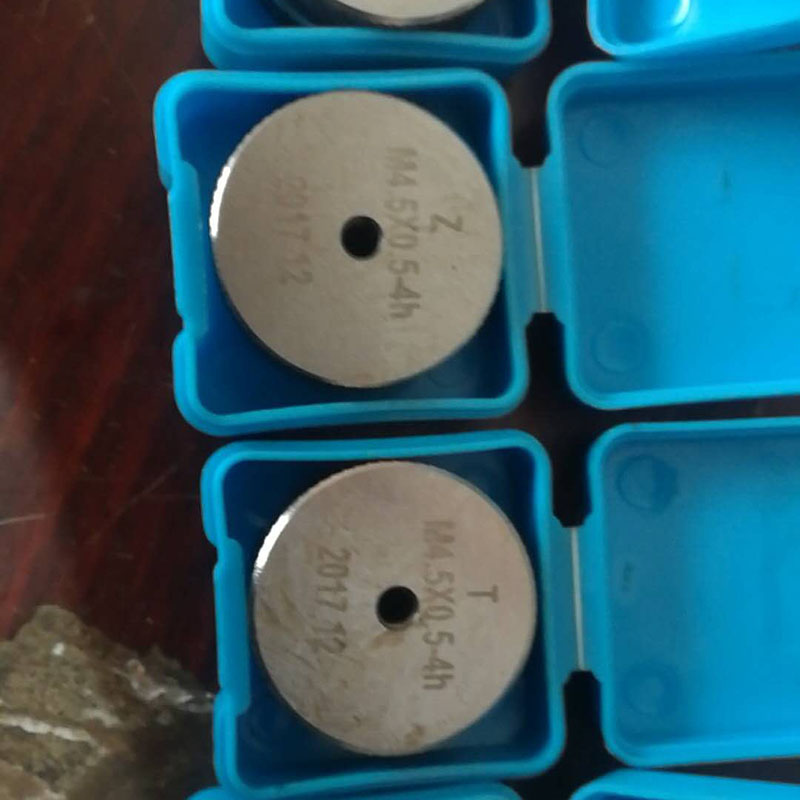
Understanding Thread Gage Tools Essential Instruments for Precision Engineering In the world of manufacturing and machining, precision is paramount. One cannot expect parts and components to fit together correctly without the appropriate measurements and tools. This is where thread gage tools play a crucial role. Thread gauges are specialized instruments used to measure the size, pitch, and quality of threads on screws, bolts, nuts, and other fasteners. They ensure that these components meet the necessary specifications for optimal performance. What Are Thread Gage Tools? Thread gage tools come in various forms, each designed for specific applications in gauging the various characteristics of threaded items. The most common types include 1. Pitch Gauges These tools measure the pitch of a thread, which is the distance between adjacent threads in a screw or bolt. Pitch gauges can help determine whether a particular thread conforms to industry standards. 2. Go/No-Go Gauges These are used to assess whether a threaded part meets its required tolerances. A Go gauge will fit onto the thread if it is within specifications, while a No-Go gauge will signify that the thread is non-compliant if it fits. 3. Thread Calipers These devices provide a more detailed measurement of thread diameter and pitch. They are especially useful for checking non-standard threads. 4. Tapered Gauges Also known as taper tap gauges, these are used to check the internal threads of a hole, ensuring that the threads are correctly formed and aligned. Importance of Using Thread Gage Tools thread gage tool The importance of thread gage tools in manufacturing cannot be overstated. Here are a few key reasons why they are essential 1. Quality Control Thread gage tools are integral to quality control processes. They help manufacturers maintain consistent quality in threaded components, thereby reducing the risk of defects that could lead to malfunctions or failures in assemblies. 2. Cost Efficiency By ensuring that threads are produced within specifications, manufacturers can avoid costly rework or material waste. Properly gauging threads minimizes the chances of using incorrect components, which can save both time and money. 3. Safety In critical applications, such as aerospace or automotive industries, improperly sized threads can lead to catastrophic failures. Using thread gage tools to verify dimensions and tolerances helps ensure safety and reliability in end products. 4. Regulatory Compliance Many industries are governed by strict regulations regarding the quality and measurement of components. Thread gage tools help manufacturers meet these standards, which can be crucial for certification and approval in regulated markets. Selecting the Right Thread Gage Tool Choosing the right thread gage tool depends on several factors, including the type of threads being measured, the required precision, and the specific application. For example, industrial applications might require more robust and durable gauges, while smaller-scale operations may benefit from simpler and more cost-effective options. Conclusion In conclusion, thread gage tools are indispensable in the realm of precision engineering. They ensure that threaded components meet specified standards, promote safety, and contribute to overall quality in manufacturing processes. As industries continue to evolve and demand higher precision, the role of these tools will only become more significant. Investing in high-quality thread gage tools is not just a choice; it's a necessity for any business striving for excellence in production and manufacturing.
about
ag glass
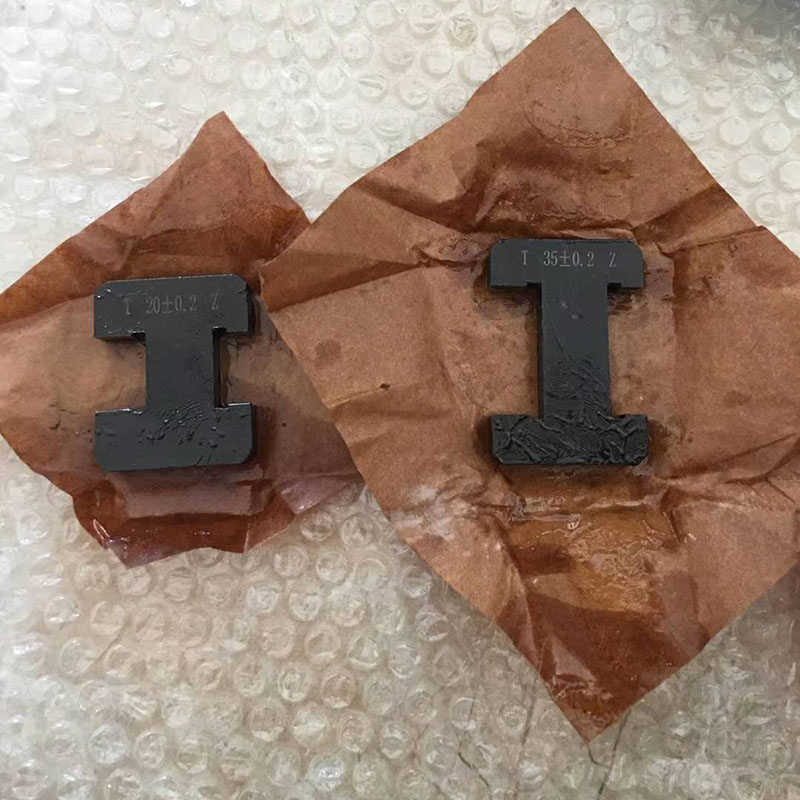
The Indispensable Role of Truss Nails and Nail Plates in Construction In the world of construction and woodworking, truss nails and nail plates hold a significant position due to their ability to provide robust and secure connections. These humble components play an essential role in the structural integrity of buildings, bridges, and other large-scale structures. A truss nail, also known as a framing nail, is a specialized nail designed specifically for heavy-duty applications. Typically made from high-strength steel, they are thicker and longer than standard nails, with a larger head to provide greater holding power. Truss nails are commonly used in the assembly of wooden trusses, which are prefabricated triangular structures that form the backbone of many roofs and floors. Their strength and durability make them ideal for withstanding the immense weight and pressure exerted on them. Nail plates, on the other hand, serve as connectors between trusses and other structural elements. They are metal plates with pre-punched holes where nails or screws are driven in to join two pieces of wood. The use of nail plates not only enhances the stability but also reduces the chances of splitting or cracking in the timber, thus extending its lifespan. They are particularly useful in situations where traditional nailing is not feasible or would compromise the structural soundness. The combination of truss nails and nail plates is a testament to the marriage of functionality and innovation in modern construction The combination of truss nails and nail plates is a testament to the marriage of functionality and innovation in modern construction The combination of truss nails and nail plates is a testament to the marriage of functionality and innovation in modern construction The combination of truss nails and nail plates is a testament to the marriage of functionality and innovation in modern construction truss nail plate . They streamline the building process by allowing for faster and more efficient assembly, while ensuring safety and longevity. The precision engineering of these components ensures that each connection is strong enough to withstand the forces of nature, such as wind, snow, and earthquakes. Moreover, the use of truss nails and nail plates also contributes to sustainability in construction. They enable the use of engineered wood products, which are more eco-friendly than solid timber due to their higher yield and lower environmental impact during production. This combination promotes efficient resource utilization and supports green building practices. In conclusion, truss nails and nail plates may seem like small elements in the grand scheme of construction, but their importance cannot be overstated. They are the silent heroes that quietly hold together the skeletons of our homes, offices, and public spaces. As technology advances, so does the design and functionality of these tools, ensuring that they continue to serve their purpose effectively and efficiently. The next time you admire a towering skyscraper or a sturdy bridge, remember the critical role played by these seemingly insignificant components in creating the sturdy framework that supports it all.
-

High quality industrial productsagement

High quality industrial products
View Details -

Meet the diverse needs of customers

Meet the diverse needs of customers
View Details -

Strict quality control

Strict quality control
View Details -

Top raw materials

Top raw materials
View Details -

Trusted supplier

Trusted supplier
View Details
Our application


news and information
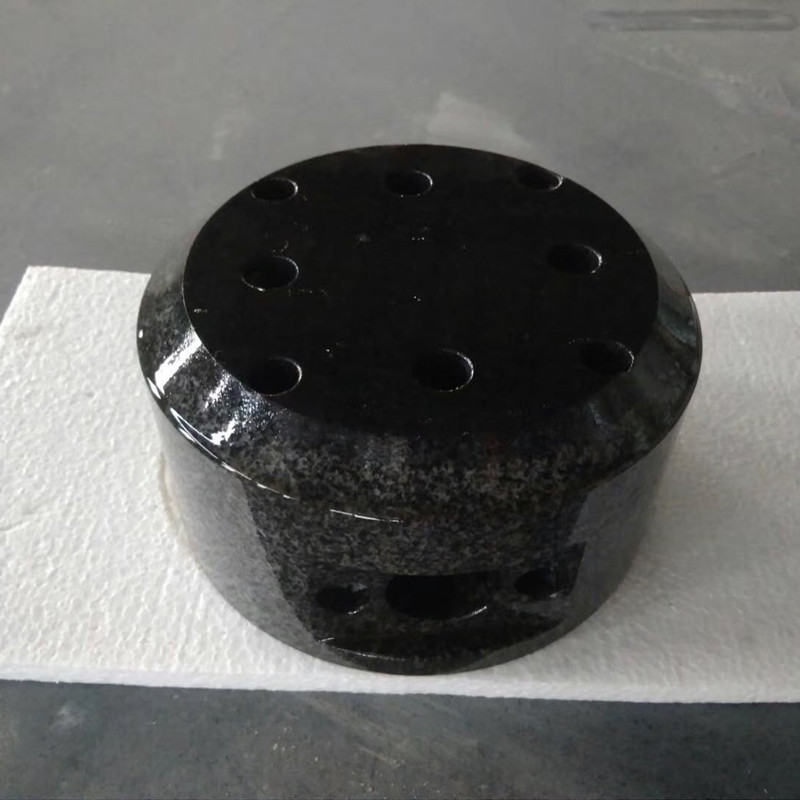
Versatile 3D Welding Table for Precision Fabrication and Efficient Workflow Solutions
The Advantages of a 3D Welding Table in Modern Fabrication In today’s fast-paced manufacturing envir

Water Flow Control Through Main Valve Systems for Efficient Management
Understanding Main Valve Water Systems A Comprehensive Analysis In the realm of fluid dynamics and w
Wooden Nail Plates for Secure and Durable Construction Solutions
The Importance of Nail Plates for Wood Construction When it comes to woodworking and construction, t
 English